



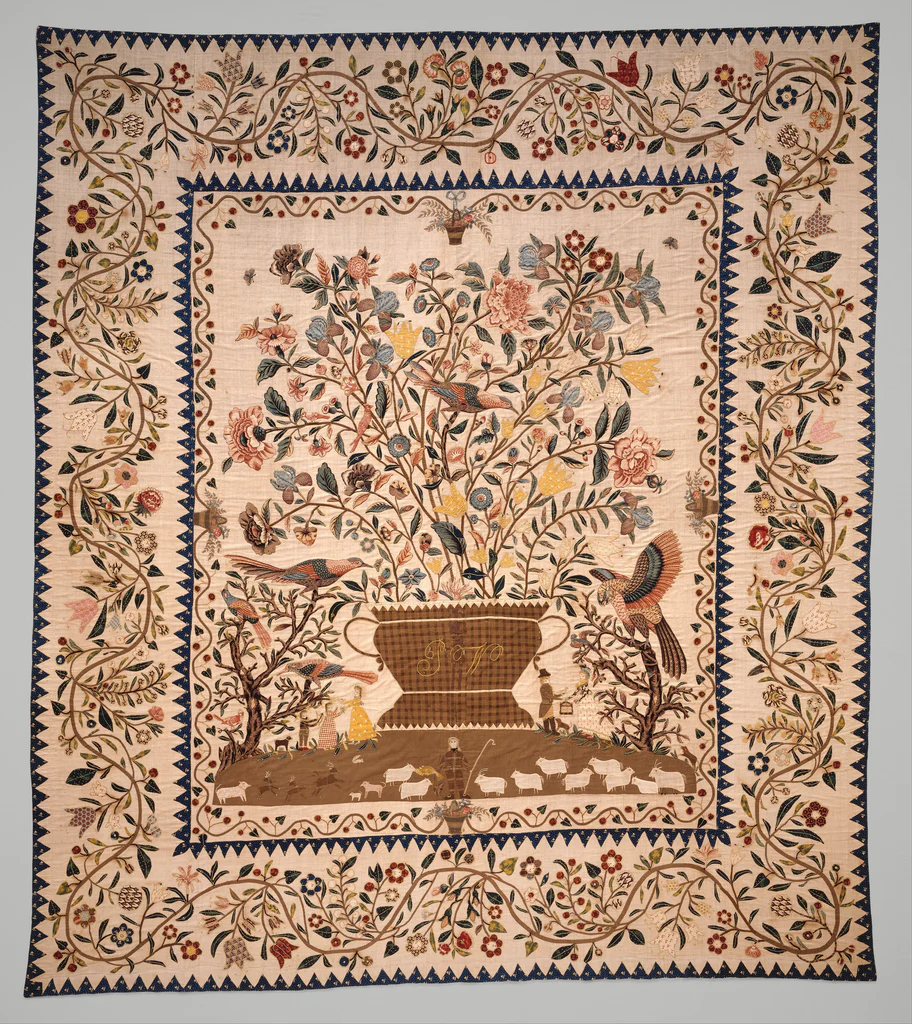
American quilting is much more than a craft—it’s a living testament to the nation’s resilience, creativity, and communal spirit. Once regarded as humble household objects, quilts have gradually gained recognition as treasured artifacts that narrate stories of American heritage and ingenuity.
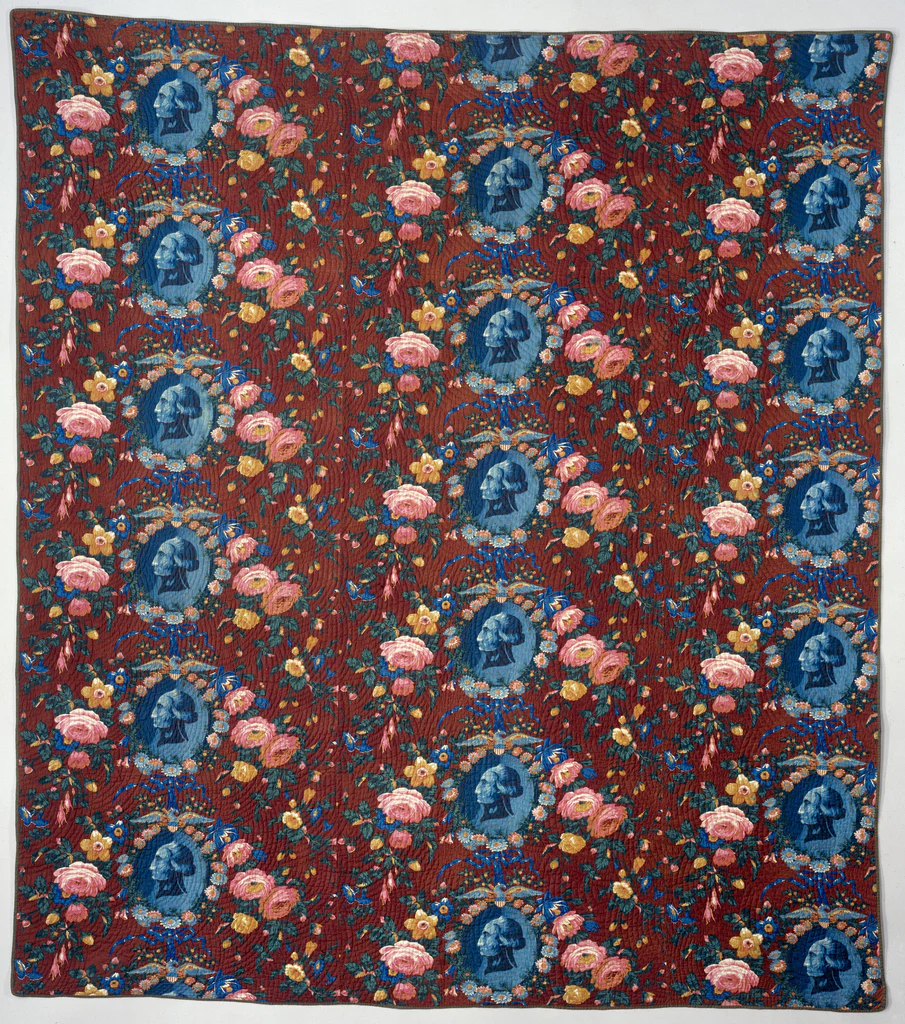
Quilts originated in colonial America out of necessity, providing warmth and insulation from harsh winters. Early quilt making primarily involved recycling textile scraps—discarded clothing, linens, and sewing remnants—into patchwork masterpieces that reflected both resourcefulness and artistry. These textiles became family keepsakes, passed from generation to generation, their layered fabrics preserving nostalgia and shared memories within each stitch.
Throughout the 18th and 19th centuries, quilting was predominantly the domain of women. In a time of limited access to art and few creative outlets, quilts provided an invaluable canvas for personal expression—especially during periods of hardship. Beyond their function, quilts symbolized care and the hope of prosperity for the future.
Communal quilting bees emerged as vital social rituals. Neighbors gathered to create quilts, share stories, swap news, and teach the next generations. This generational transfer of skills ensured that each quilt not only told a story but became an embodiment of community and culture.
Quilting traditions also thrived among African American, Indigenous, and immigrant communities—each infusing their works with unique motifs, narratives, and symbolism. For Black American women especially, quilting became a powerful form of agency and storytelling during times when literacy was forbidden. These quilts carried hidden symbols, coded histories, and collective aspirations, as seen in the significant works of Gee’s Bend and other rural enclaves.
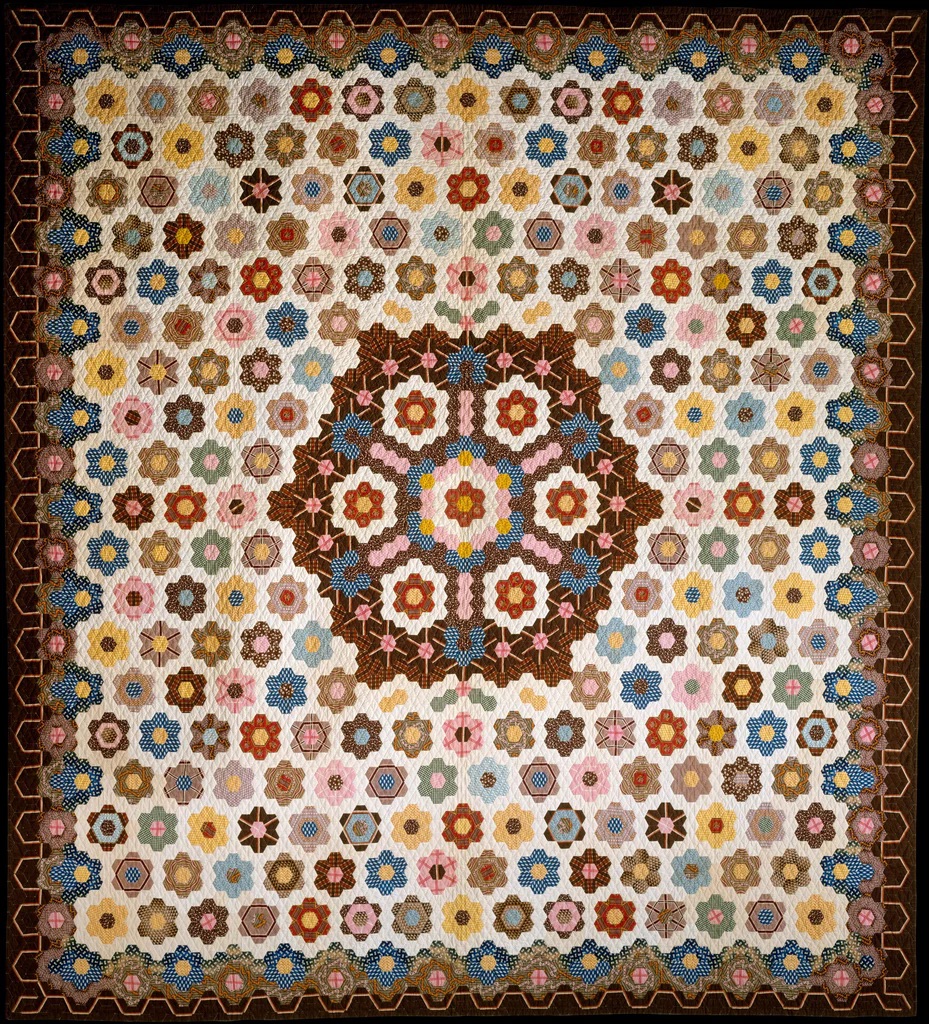
It wasn’t until the 1920s—and more influentially during the cultural upheavals of the 1960s—that American quilts began to command the attention of collectors and museums. Originally valued for their needlework, quilts are now prized for their visual impact, emotional resonance, and connection to the wider world of contemporary design.
Today, American quilts are celebrated for their technical mastery and artistic vision. Museums, historians, and collectors recognize them as important cultural documents, blending history, material culture, and personal narrative. Modern designers draw inspiration from traditional quilt patterns and techniques, ensuring that America’s quilting legacy evolves while maintaining its rich ties to the past.